Deciding on the right 7000-watt generator is no small feat. It's about securing your peace of mind, whether you're weathering a storm, powering a remote job site, or bringing comfort to your RV adventures. In the world of power generation, few names carry as much weight as Honda, but a host of formidable competitors are vying for your attention. This guide cuts through the noise, Comparing 7000 Watt Generators: Honda vs. Competitors so you can make an informed choice that truly fits your needs.
We’re not just talking specs; we’re diving into the real-world performance, the subtle differences that impact your daily life, and the long-term value of these powerful machines. Ready to find your perfect power partner? Let's get started.
At a Glance: Your 7000-Watt Generator Checklist
- Honda excels in quiet operation and clean power for sensitive electronics, ideal for recreation and specific job sites.
- Generac leads for whole-home standby backup, offering automatic operation and fuel flexibility (gas, propane, natural gas).
- 7000 watts can power essentials like a refrigerator, furnace, lights, and some appliances simultaneously.
- Inverter technology (common in Honda) delivers stable, clean power, crucial for laptops, TVs, and medical devices.
- Consider fuel type, runtime, and noise level as primary decision-makers for your specific use case.
- Budget often reflects features: Honda commands a premium for its inverter tech and quiet performance.
- Don't forget the service network and warranty – crucial for long-term peace of mind.
Why 7000 Watts? Understanding Your Power Needs
Before we pit brands against each other, let's nail down what 7000 watts actually means for you. A generator rated at approximately 7000 running watts (with a higher starting watt surge capacity) is a sweet spot for many applications.
For homeowners, 7000 watts can typically handle:
- A refrigerator and freezer.
- Your furnace (though not always the A/C for some larger units).
- Several lights and fans.
- A microwave.
- A TV or computer.
- A sump pump.
On a job site, it's enough to run several power tools simultaneously—think circular saws, air compressors, and battery chargers. For RVers, it can comfortably run your AC unit, microwave, and other onboard appliances. Understanding this baseline helps clarify if a 7000-watt unit is indeed the right size for your ambition.
The Contenders: Honda vs. Generac – A Head-to-Head Showdown
When you talk about 7000-watt generators, two names often dominate the conversation, though for very different reasons: Honda and Generac. They represent distinct philosophies in portable power, and understanding these differences is key to making the right choice.
Honda: The Quiet, Clean Power Maestro
Honda's reputation precedes it, particularly in the realm of portable, inverter-style generators. They are the go-to for situations where noise is a concern and sensitive electronics are involved.
What makes Honda stand out?
- Inverter Technology: This is Honda's crown jewel. Their inverter generators produce "clean" power, meaning the sine wave is consistent and stable, akin to what you get from a wall outlet. This is non-negotiable for powering laptops, smartphones, medical equipment, and other delicate electronics without risk of damage.
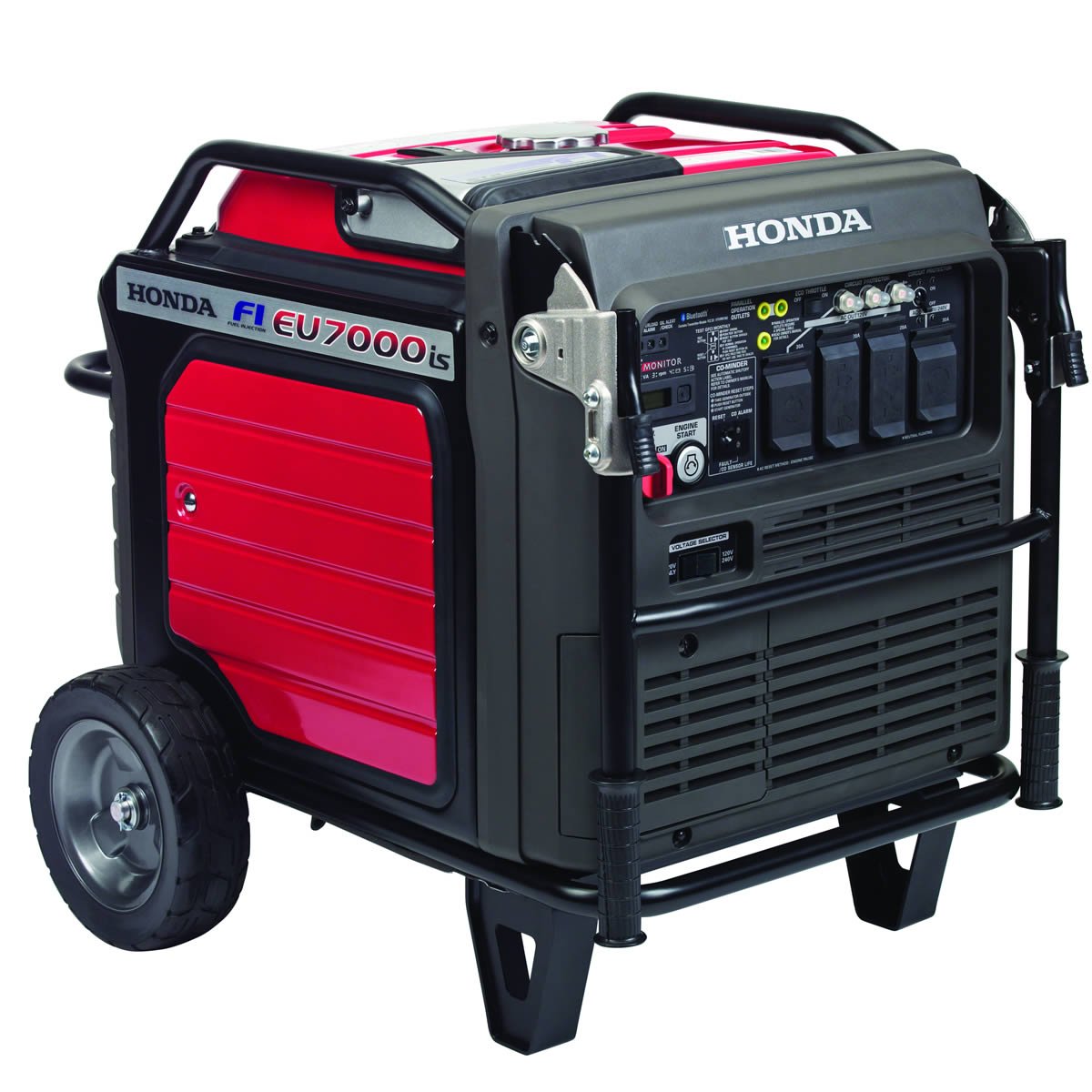
- Whisper-Quiet Operation: Honda generators, especially their EU series (which includes their 7000W models like the EU7000iS), are renowned for their remarkably low noise levels. They often operate at volumes comparable to normal conversation, making them ideal for campgrounds, residential backup, or job sites where noise complaints are a concern.
- Exceptional Fuel Efficiency: Thanks to their Eco-Throttle system, Honda generators adjust engine speed to match the load, consuming less fuel when less power is needed. This translates to longer run times on a single tank and significant savings over time.
- Portability & Design: While a 7000-watt generator isn't "light," Honda's designs focus on making them as manageable as possible, often with integrated wheels and folding handles. Their compact footprint is also a plus.
- Legendary Reliability: Honda engines are a benchmark for durability and longevity. Many users report years of trouble-free operation, often in demanding conditions.
The premium price tag for a Honda generator is often justified by these advanced features, particularly the inverter technology and quiet operation. If you're looking to Explore Honda 7000W generators for clean, quiet power, you're looking at top-tier performance.
Generac: The Robust, Whole-Home Workhorse
Generac has carved its niche as a leader in high-capacity power solutions, particularly for home standby generators, but they also offer robust portable units. Their philosophy leans towards raw power, extended run times, and unwavering reliability for demanding applications.
Where Generac shines:
- High Power Capacity: While we're focusing on 7000 watts, Generac's lineup scales significantly higher, catering to whole-home backup needs where larger appliances like central air conditioning are critical. Their portable models are built for heavy-duty use.
- Fuel Flexibility: Many Generac units, especially their standby generators, offer dual-fuel (gasoline and propane) or even tri-fuel (gasoline, propane, and natural gas) options. This flexibility is a huge advantage, allowing you to tap into your home's natural gas line for unlimited runtime during an outage.
- Automatic Operation: Generac's home standby generators automatically detect power outages and kick on within seconds, providing seamless backup without you lifting a finger. This "set it and forget it" convenience is invaluable.
- Durability and Build Quality: Generac generators are built to last, designed to endure harsh weather conditions and continuous operation. Their robust construction is evident in both their portable and standby lines.
- Value for Large-Capacity Systems: For homeowners needing significant, reliable backup power, Generac often offers a more cost-effective solution for large-capacity standby systems compared to stringing together multiple portable units.
While Generac portable generators might be louder and less focused on inverter technology for extreme sensitivity (though they do offer some inverter models), their strength lies in delivering consistent, high-output power for extended periods, especially when integrated into a home's electrical system.
Side-by-Side: Honda EU7000iS vs. a Comparable Generac Portable
Let's put a typical Honda 7000-watt inverter against a Generac portable in the same power class.
| Feature / Aspect | Honda EU7000iS (Example) | Generac GP7500E (Example) |
|---|---|---|
| Primary Use Case | Sensitive electronics, quiet operation, RV, recreation, job site | Home backup, job site, heavy-duty tools |
| Power Output (Running) | ~5500-7000 Watts (depending on exact model) | ~7500 Watts (often higher surge for starting) |
| Power Quality | Inverter (clean, stable, safe for electronics) | Conventional (good for tools, less ideal for sensitive tech) |
| Noise Level | Extremely Quiet (52-58 dB at 1/4 load) | Louder (typically 70-75 dB) |
| Fuel Type | Gasoline | Gasoline (many Generac also offer dual-fuel) |
| Fuel Efficiency | Excellent (Eco-Throttle adjusts engine speed) | Good (designed for longer runtimes under load) |
| Portability | Designed for mobility (wheels, handles) | Heavy-duty wheels, but generally larger/heavier |
| Start Method | Electric start (key/push button), recoil | Electric start (push button), recoil |
| Price | Premium | Mid-range to Upper-Mid (better value for raw power) |
| Warranty | 3-Year Standard | 3-5 Year (depending on model) |
| This table clearly illustrates the divergent paths these manufacturers take. Your "best" choice hinges entirely on your specific priorities. |
Beyond the Big Two: Other 7000-Watt Competitors to Consider
While Honda and Generac are often the first names that come to mind, the market for 7000-watt generators is rich with other strong contenders. These brands offer a diverse range of features, price points, and specialized capabilities, proving that competition is fierce and innovation is constant.
- Westinghouse: A major player known for offering a broad product line with affordable prices per watt. They provide a range of gas and dual-fuel options, often featuring innovations like remote start, longer runtimes (up to 12 hours), and even some solar-powered models. If you’re seeking a balance of features and value, Westinghouse is worth a look.
- Champion Power Equipment: This brand has built a strong reputation for its dual-fuel technology and competitively low prices. Champion generators are a popular choice for those needing versatility in fuel sources without breaking the bank, often delivering robust power in a user-friendly package.
- Briggs & Stratton: As a major engine producer, Briggs & Stratton brings its expertise to the generator market, offering portable, inverter, and home standby units. They are particularly recognized for their energy-efficient compact PowerSmart Series, which blends reliability with modern features.
- DuroMax: Known for its durable, self-manufactured engines, DuroMax generators often feature rugged construction. Some models boast dual-fuel capability and unique technologies like MX2 power-boost, which allows you to draw maximum power from each 120V receptacle. They can produce up to 15,000 watts, easily covering the 7000-watt range with plenty to spare.
- Predator (Harbor Freight): For the budget-conscious consumer, Predator generators offer surprisingly super-quiet inverters at lower wattages (like their 3,500-watt models) and larger, more traditional generators. Popular among RVers, homeowners, and contractors, Predator units provide a cost-effective entry point into reliable power.
- Pulsar: This brand stands out with its wide range of gasoline, dual-fuel, and tri-fuel inverter and traditional generators offered at competitive prices. Pulsar often packs a lot of features into its units, making them an attractive option for those looking for versatility and affordability.
- Sportsman: Designed with outdoor enthusiasts in mind, Sportsman offers unique features like tri-fuel generators (gasoline, propane, natural gas) and convenient 30-amp hookups, making them a good match for RVs and cabins.
- Ryobi: Sold primarily through The Home Depot, Ryobi provides relatively affordable generators with a focused model range. They often appeal to DIYers and homeowners looking for accessible power solutions.
- Wen: A pioneer in power tools, Wen has expanded successfully into generators. They offer a variety of portable and inverter generators that prioritize affordability and practical features for everyday use.
- Firman: Though a newer entrant, Firman has rapidly gained traction since its launch in 2015 by focusing on key customer demands, offering reliable generators with good feature sets.
- A-iPower: Providing an extensive range, from ultra-lightweight 1,500-watt inverters up to larger units, A-iPower focuses on delivering powerful, durable generators with user-friendly features.
- GenMax: Offers feature-rich, budget-friendly generators with a focus on innovation, often incorporating modern conveniences.
- Powerhorse (Northern Tool + Equipment): This house brand delivers reliable performance, including lightweight portable inverters.
- Yamaha: Another diversified corporation that manufactures generators, Yamaha offers models known for their reliability and quiet operation, similar in philosophy to Honda but with its own unique engine designs.
- Jackery: While primarily a solar generator brand, Jackery's lithium portable power stations (Explorer series) represent the clean energy future. While not typically 7000-watt continuous output, they are relevant for those prioritizing silent, emission-free power for smaller loads or as part of a hybrid setup.
Each of these brands brings something different to the table, from fuel flexibility to advanced features, all at varying price points. This diverse market means you have plenty of options when a Honda or Generac might not perfectly align with your budget or specific needs.
Key Decision Factors: How to Pick Your Perfect 7000W Generator
With so many excellent choices, how do you narrow it down? Here's a breakdown of the crucial factors to consider when comparing 7000-watt generators.
Intended Use: Emergency Backup, RV, or Job Site?
This is the most critical starting point.
- Home Emergency Backup: Do you need seamless, automatic power (Generac standby)? Or a portable unit you can roll out and plug into a transfer switch (Honda or heavy-duty portables)?
- RV/Camping: Quiet operation and clean power for sensitive electronics are paramount here. You don't want to disturb your neighbors or fry your RV's systems. This leans heavily towards inverter generators like Honda.
- Job Site: Durability, raw power for tools, and longer runtimes are key. Noise might be less of a concern than sheer output and ruggedness. Conventional portable generators from brands like DuroMax, Generac, or Champion often fit the bill.
Power Quality: Inverter vs. Conventional
- Inverter Generators: These produce "clean power" with a Total Harmonic Distortion (THD) of less than 3-5%. This is essential for sensitive electronics like computers, smart TVs, medical devices, and even modern appliances with complex microprocessors. Honda is the gold standard here.
- Conventional Generators: Often more affordable, these are great for powering tools, lights, and appliances that don't have sensitive electronics. Their power output can have higher THD, which might be harmful to delicate equipment over time. Most large, budget-friendly portables fall into this category.
Noise Level: Decibels Matter
Generator noise is measured in decibels (dB). For reference:
- 50-60 dB: Quiet conversation, washing machine. (Honda inverter range)
- 70-80 dB: Vacuum cleaner, busy street. (Most conventional portables)
- 80+ dB: Lawnmower, blender.
If you're using your generator in a residential area, campground, or simply value peace and quiet, an inverter generator with a lower dB rating is crucial. Honda excels here.
Fuel Type & Efficiency: Gas, Propane, Natural Gas, or Dual-Fuel?
- Gasoline: Most common, but fuel degrades, requires storage, and can be scarce after a disaster.
- Propane: Cleaner burning, longer shelf life than gasoline, but less energy-dense, requiring larger tanks. Many dual-fuel options offer this.
- Natural Gas: Only for standby generators connected to a utility line, offers unlimited runtime, but requires professional installation. Generac excels here.
- Dual-Fuel/Tri-Fuel: Offers flexibility. Run on gasoline when convenient, switch to propane for longer storage or cleaner burn. Champion, DuroMax, Pulsar, and Sportsman are strong in this category.
Fuel efficiency directly impacts runtime and operating costs. Honda's Eco-Throttle is a game-changer for extended operation on less fuel.
Portability vs. Stationary: Where Will it Live?
A 7000-watt generator is heavy.
- Portable: Designed to be moved, usually with wheels and handles. Still, you'll want to assess its weight and ease of maneuverability. Honda and many other portable brands prioritize this.
- Stationary (Standby): Permanently installed outside your home, often on a concrete pad, connected to your electrical system and a fuel source. Generac is the undisputed leader in this space.
Features & Technology: Beyond the Basics
Look for these value-adding features:
- Electric Start: A push-button start is far more convenient than recoil, especially in an emergency.
- Remote Start/Monitoring: Some high-end units allow you to start/stop or monitor fuel levels from a distance. Generac's mobile link is an example.
- Automatic Transfer Switch (ATS): Essential for home standby generators, allowing automatic power transfer during an outage.
- GFI Outlets: Ground Fault Circuit Interrupter outlets provide added safety, especially on job sites or wet conditions.
- Fuel Gauge: Simple but incredibly useful.
- Low Oil Shut-off: Protects the engine from damage.
Budget & Value: Initial Cost vs. Long-Term Savings
Honda generators typically carry a premium price tag. You're paying for advanced inverter technology, superior fuel efficiency, and legendary quiet operation. Competitors like Westinghouse, Champion, and Predator offer more budget-friendly options, often sacrificing some quietness or inverter stability for a lower upfront cost.
Remember to consider long-term operating costs (fuel consumption) and potential repair expenses, which can impact true value over the life of the generator.
Maintenance & Service Network: Keep it Running Smoothly
Even the most reliable generator needs occasional maintenance.
- Dealer Network: Brands like Honda and Generac have extensive dealer and service networks, making parts and professional servicing readily available.
- DIY Friendliness: Some brands are easier for owners to perform basic maintenance tasks like oil changes and spark plug replacements.
- Warranty: Generac often offers 3-5 year warranties, while Honda typically provides a 3-year standard warranty. A robust warranty signals manufacturer confidence.
Making the Call: When to Choose Honda, When to Look Elsewhere
Your decision hinges on aligning your specific needs with the strengths of each brand.
Choose Honda if:
- You prioritize quiet operation. Whether it's for camping, an RV, or keeping the peace in a residential neighborhood during an outage, Honda's low decibels are unmatched.
- You need clean, stable power for sensitive electronics. Laptops, medical equipment, gaming systems, and smart appliances will thank you for the smooth, inverter-generated electricity.
- Fuel efficiency and longer runtimes are crucial. Honda's Eco-Throttle system stretches every gallon of gas, saving you money and trips to the fuel station.
- Portability and ease of use are key. While still heavy, Honda designs its units for maximum maneuverability for their power class.
- You value legendary reliability and resale value. A Honda generator is an investment that often holds its value well.
Choose Generac if:
- You need reliable whole-home standby power. For automatic, seamless backup without intervention, Generac standby units are industry leaders.
- Fuel flexibility (propane, natural gas) is important. If you want to tap into a natural gas line for unlimited runtime, Generac offers the solutions.
- You need a heavy-duty portable for tough job sites or significant home backup where noise is less of a concern than raw power and durability.
- You seek better value for large-capacity, non-inverter portable or standby systems. Generac often offers a more cost-effective solution for sheer wattage.
Consider Other Competitors if:
- Budget is your absolute top priority but you still need a respectable power output (e.g., Predator, Wen).
- You want dual-fuel or tri-fuel capabilities as a primary feature, without the Honda premium (e.g., Champion, DuroMax, Sportsman, Pulsar).
- You’re looking for a good balance of features, value, and reliability that might sit between the extremes of Honda and Generac (e.g., Westinghouse, Briggs & Stratton, Firman).
- Your primary needs lean towards clean, solar-powered solutions, even if it means less raw continuous output (e.g., Jackery for smaller, portable needs).
Common Questions About 7000-Watt Generators
Let's clear up some common queries you might have while researching your generator.
What can a 7000-watt generator run?
A 7000-watt (running watts) generator is capable of powering many essential household appliances simultaneously. This typically includes a refrigerator, freezer, well pump, furnace (fan and controls), multiple lights, a TV, and small kitchen appliances like a microwave or coffee maker. It generally won't run a central air conditioner unless it's a very small unit or the generator has a significant starting watt surge capacity.
Are inverter generators worth the extra cost?
For most homeowners, RVers, and those needing to power sensitive electronics, yes, inverter generators are absolutely worth the extra cost. They provide clean, stable power, are significantly quieter, and are more fuel-efficient due to their ability to adjust engine speed based on demand. If you're only powering basic tools or lights where power quality isn't critical, a conventional generator might suffice.
How often should I run my generator for maintenance?
Most manufacturers recommend running your generator for 15-30 minutes once a month under a light load. This helps keep internal components lubricated, prevents fuel from gumming up the carburetor (if using gasoline), and ensures the battery (for electric start models) stays charged. It's a critical step in ensuring your generator is ready when you need it most.
What's the difference between running watts and starting watts?
Running watts (or continuous watts) are the amount of power a generator can continuously produce to keep appliances running. Starting watts (or surge watts) are the extra burst of power a generator can provide for a few seconds to start motor-driven appliances (like refrigerators, air conditioners, or power tools), which require more power at startup than they do to run. Always ensure your generator's starting watts can handle the highest surge demand of your intended appliances.
Your Next Steps to Power Independence
Choosing the right 7000-watt generator is a significant decision, but now you're equipped with the knowledge to navigate the options. Start by clearly defining your primary use case: Is it quiet recreation, robust job site power, or reliable home backup? Then, prioritize the key features that matter most to you – noise, power quality, fuel type, and budget.
Whether you lean towards Honda's whisper-quiet, clean power for sensitive electronics, Generac's unwavering muscle for whole-home backup, or find value and versatility in one of the many other reputable brands, remember that a well-chosen generator is an investment in security and convenience. Do your homework, compare models directly, and you'll find the perfect generator to keep your lights on, your tools humming, and your adventures powered up.