When the lights go out, a portable generator can feel like a beacon of hope, a temporary shield against the inconvenience and disruption of a power outage. But like any powerful tool, generators demand respect and adherence to strict Generator Safety Guidelines & Best Practices to ensure they deliver power, not peril. Misusing a generator, even for a few minutes, can have devastating, even fatal, consequences. Our goal here isn't to scare you, but to equip you with the knowledge to run your generator confidently, safely, and efficiently, protecting your home, your family, and even utility workers.
At a Glance: Essential Generator Safety Takeaways
- Carbon Monoxide (CO) Kills Quickly: Always run generators at least 20 feet from your home, directing exhaust away from any windows, doors, or vents.
- Install CO Alarms: Place them outside sleeping areas and on every level of your home for early warning.
- Never Indoors: Garages, basements, or enclosed spaces are absolute no-gos for generator operation.
- Keep it Dry: Protect your generator from rain and snow; never operate it when wet.
- Refuel When Cool: Hot engines and spilled gasoline are a dangerous combination.
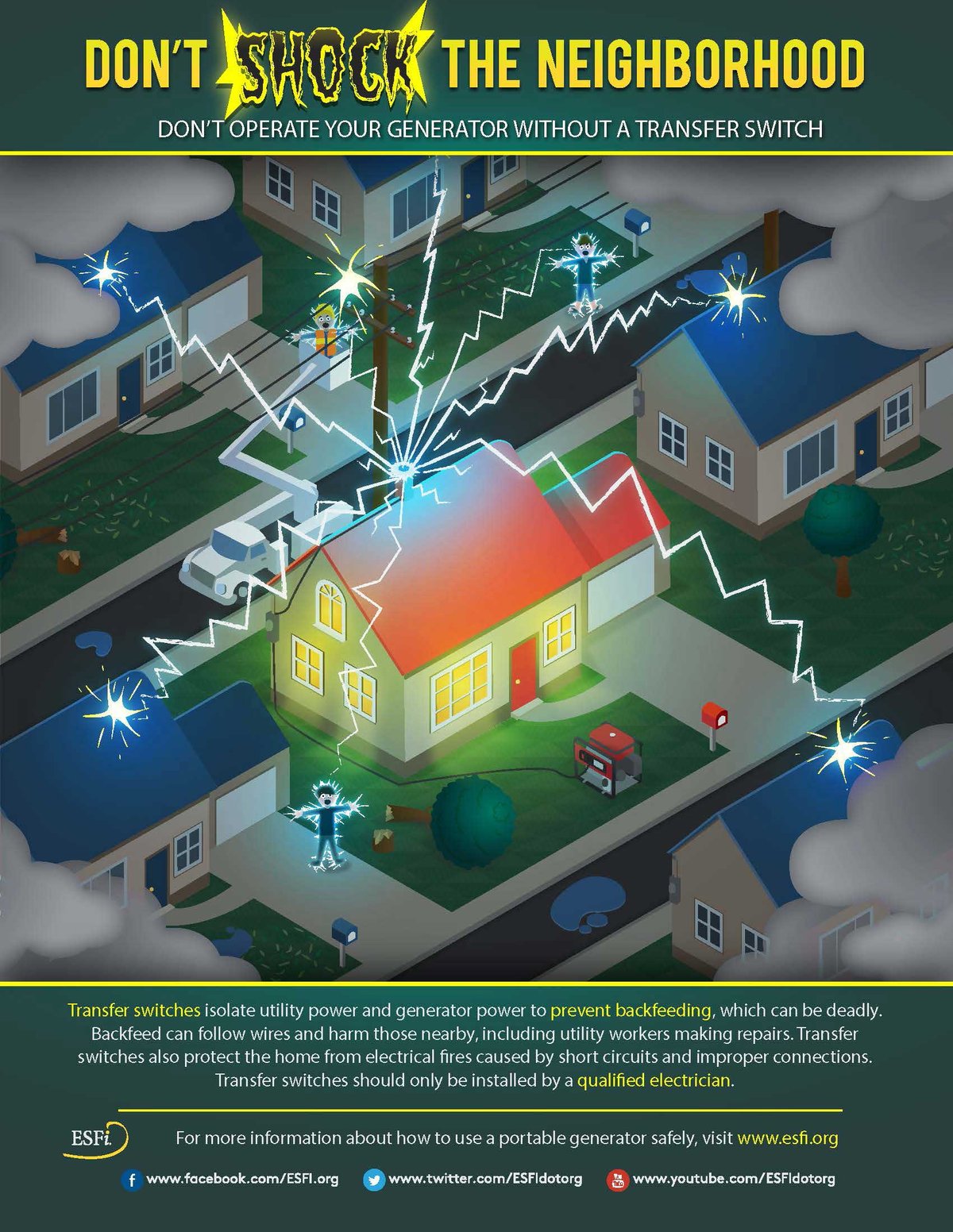
- Use a Transfer Switch: This is the only safe way to power your home’s electrical system directly and prevent deadly backfeeding.
- Correct Cords & GFCI: Use heavy-duty, outdoor-rated, grounded extension cords with appropriate wattage and always employ GFCI protection.
- Avoid Overloading: Match your generator's capacity to your actual power needs.
The Invisible Threat: Guarding Against Carbon Monoxide Poisoning
The most critical safety concern with any portable generator is carbon monoxide (CO). This insidious gas is colorless, odorless, and tasteless – a silent killer that can strike without warning. Portable generators emit significant amounts of CO, and breathing it in, even for a short period, is incredibly dangerous. It can kill in as little as 5 minutes, making rapid detection and prevention paramount.
Understanding the Danger: How CO Affects You
When CO is inhaled, it displaces oxygen in your blood, starving your heart, brain, and other vital organs. Initial symptoms of CO poisoning are often mistaken for the flu or exhaustion:
- Dizziness
- Headaches
- Nausea
- Tiredness
If you or anyone in your household experiences these symptoms while a generator is running, even outdoors, act immediately. Get everyone into fresh air, evacuate the area, and do not reenter until emergency services (call 911) have cleared the space.
Your First Line of Defense: CO Alarms
Just as you have smoke detectors, every home relying on a generator for backup power must be equipped with carbon monoxide alarms. These aren't optional; they are life-saving devices. Ensure you have them:
- Outside each sleeping area.
- On every level of your home.
- Check their batteries regularly and test them monthly, just like smoke detectors. Consider opting for models with battery backups or sealed 10-year batteries for peace of mind.
Location, Location, Location: Where Your Generator Belongs
The safest place for a portable generator is outside, far away from any structures, and with plenty of clear space for ventilation. This isn't just a suggestion; it's a non-negotiable rule.
The "Never Ever" Zones
- Never operate a generator in an enclosed or partially enclosed space. This includes garages (attached or detached), carports, basements, sheds, porches, or crawl spaces. Even with the garage door open, CO can quickly build up to lethal levels.
- Never place a generator near doors, windows, or vents. CO can easily seep into your home through these openings, even if the generator is "outside."
The "Always" Zones: Safe Placement Rules
- Minimum 20 Feet Away: Always keep your generator at least 20 feet (about two car lengths) away from your home. This distance helps ensure that exhaust fumes dissipate safely into the open air before reaching your living spaces.
- Direct Exhaust Away: Position the generator so that its exhaust port is directed away from your home and any other occupied buildings. Pay attention to wind direction, as wind can carry fumes towards your home.
- Ample Clear Space: Ensure the generator has 3-4 feet of clear space above and on all sides. This allows for proper ventilation, preventing the unit from overheating and reducing the risk of fire. It also ensures maintenance and refueling can be done safely.
- Stable, Level Surface: Place the generator on a dry, level surface to prevent tipping and ensure stable operation.
- Protection from Elements (Safely): While generators need to be kept dry, using a cover or canopy must not impede ventilation. Never enclose the generator fully. Specialized open-sided generator tents or covers are available that protect from rain while allowing adequate airflow.
Powering Up Safely: Best Practices for Operation
Once your generator is safely positioned, operating it requires a careful approach to electrical connections, fueling, and load management. Overlooking these steps can lead to electrocution, fire, or damage to your appliances.
Electrical Connections: Cords, GFCI, and Loads
Connecting your generator correctly is vital for preventing electrical hazards.
- Grounding and Undamaged Cords:
- Always use heavy-duty, outdoor-rated (typically 12-gauge or heavier, depending on wattage), three-pronged extension cords that are specifically designed to handle the generator's power output.
- Ensure all cords are in excellent condition – no frayed wires, cracked insulation, or exposed conductors. Inspect them before each use.
- The "three-pronged" part is crucial for grounding, which protects against electric shock.
- Match the cord's wattage capacity to the appliances you're running. Undersized cords can overheat and cause fires.
- GFCI Protection is Non-Negotiable:
- Ground Fault Circuit Interrupter (GFCI) protection is essential when using generators, especially outdoors or in damp conditions. GFCI outlets or adapters detect ground faults (when electricity takes an unintended path) and quickly shut off power, preventing electrocution.
- Many modern generators come with built-in GFCI outlets. If yours doesn't, use a portable GFCI adapter for each cord.
- Starting and Stopping with No Load:
- Before starting your generator, ensure all electrical loads (appliances plugged into it) are disconnected.
- Start the generator, let it warm up for a minute or two, and then plug in your appliances one by one.
- When you're ready to shut down, disconnect all appliances first, then turn off the generator. This prevents power surges that can damage both the generator and your electronics.
Fueling Fundamentals: Cool, Dry, and Away
Handling generator fuel requires extreme caution. Gasoline is highly flammable, and improper fueling can lead to dangerous fires.
- Refuel When Cool: Never refuel a hot or running generator. Gasoline spilled on a hot engine can immediately ignite. Always turn off the generator and allow it to cool down for at least 15-20 minutes before adding fuel.
- Keep Generators Dry: Water and electricity don't mix. Do not operate a generator when it's raining, snowing, or in excessively damp conditions unless it's protected by a specially designed, open-sided enclosure that allows full ventilation. Standing water can cause electrocution.
- Safe Fuel Storage:
- Store gasoline in approved, clearly labeled containers, away from living areas, heat sources, and direct sunlight.
- Never store fuel indoors or near pilot lights (like water heaters or furnaces).
- Keep fuel quantities minimal – only enough for immediate needs, as gasoline degrades over time.
- Use a fuel stabilizer if storing gasoline for extended periods.
Don't Overload Your Generator: Know Your Limits
Every generator has a rated wattage, representing the maximum power it can safely produce. Overloading a generator forces it to work harder than designed, leading to:
- Overheating and potential damage to the generator.
- Reduced lifespan of the unit.
- Tripped circuit breakers (on the generator itself).
- A higher risk of fire.
To avoid overloading:
- Calculate Your Needs: List all the essential appliances you want to run (refrigerator, lights, fan, phone charger, TV, etc.).
- Find Starting and Running Watts: For each appliance, note its "running watts" (what it needs to operate continuously) and its "starting watts" or "surge watts" (the extra power it needs for a brief moment when it first kicks on, especially motors).
- Match to Generator Capacity: Choose a generator with a running wattage that comfortably handles the sum of your essential running watts, and a surge wattage that can handle the largest starting surge among your selected appliances.
- For example, a refrigerator might need 600 running watts but 1800 starting watts. If you also want to run a few lights (100W each) and charge a phone (50W), your running total is 750W. But the starting surge could hit 1800W. Ensure your generator can handle both.
- For robust power needs during a significant outage, you might consider something like the capacity offered by a Honda 7000W generator to comfortably handle multiple appliances, but you'd still need to manage loads carefully.
The Only Way to Power Your Home: Transfer Switches
If your goal is to power your home's entire electrical system (not just individual appliances plugged into extension cords), a transfer switch is not just a best practice—it's a legal and life-saving necessity.
What is Backfeeding and Why is it Deadly?
Backfeeding occurs when you plug a generator directly into a wall outlet or the main electrical panel of your home without a transfer switch. This sends electricity back into the utility grid, energizing power lines that utility workers might assume are dead.
- Danger to Workers: This can electrocute utility workers who are trying to restore power, turning their essential job into a potentially fatal one.
- Damage to Grid: It can also cause severe damage to your generator, your home's electrical system, and the wider power grid.
- Violates Code: Backfeeding is illegal and a violation of electrical codes.
How a Transfer Switch Works
A transfer switch is a specialized electrical device that acts as a gatekeeper, safely isolating your home from the utility grid before allowing generator power to flow into your home's circuits. It allows you to choose between:
- Utility power: When the grid is active.
- Backup generator power: During an outage.
There are two main types:
- Manual Transfer Switches: These require you to manually flip a switch to disconnect from grid power and connect to generator power. You typically select which circuits (e.g., refrigerator, specific lights, furnace fan) you want to power from a sub-panel.
- Automatic Transfer Switches (ATS): These are more sophisticated and usually found in whole-home standby generator systems. An ATS automatically detects a power outage, starts the generator, transfers the electrical load to the generator, and then reverses the process when utility power is restored.
Installation: A qualified, licensed electrician must install any transfer switch. This isn't a DIY project. They will ensure it's correctly wired according to local codes, guaranteeing safe operation and preventing backfeeding.
Beyond the Outage: Maintenance, Storage, and General Safety
Safe generator operation extends beyond just the immediate use during an outage. Proper care, maintenance, and storage ensure your unit is ready when you need it and remains safe to operate for years to come.
Regular Maintenance for Peak Performance and Safety
Just like your car, your generator needs routine check-ups.
- Read the Manual: This is your generator's bible. It contains specific maintenance schedules, oil types, spark plug requirements, and air filter cleaning instructions unique to your model.
- Oil Changes: Regularly check and change the oil according to the manufacturer's recommendations. Dirty or low oil can cause engine damage and lead to overheating.
- Air Filter: Clean or replace the air filter periodically. A clogged filter reduces efficiency and can cause the engine to run rich, affecting performance and potentially increasing CO emissions.
- Spark Plug: Inspect and replace the spark plug as needed. A worn spark plug can lead to difficult starting and inefficient operation.
- Fuel System: If storing for extended periods, drain the fuel or use a fuel stabilizer to prevent gumming and corrosion in the carburetor and fuel lines. Stale fuel is a common reason generators fail to start.
- Battery (for electric start models): Keep the battery charged and terminals clean.
Secure Storage: Off-Season Safety
When the power is on and your generator isn't needed, store it safely.
- Cool, Dry Place: Store your generator in a cool, dry, well-ventilated area, away from direct sunlight, extreme temperatures, and moisture.
- Away from Living Spaces: Never store a generator with fuel in its tank indoors or near pilot lights, furnaces, water heaters, or other ignition sources.
- Secure: Keep it covered and in a location where it won't be easily tampered with or stolen.
Additional Safety Reminders
- Eye and Ear Protection: Generators can be loud. Wear hearing protection during operation. Eye protection is advisable when performing maintenance or fueling.
- Fire Extinguisher: Keep a fully charged, accessible ABC-rated fire extinguisher nearby when operating or refueling a generator.
- Child and Pet Safety: Keep children and pets away from the operating generator and extension cords. The hot engine, moving parts, and electrical connections pose significant risks.
- Emergency Contact Information: Have important phone numbers (911, utility company, generator service) readily available.
Common Questions and Misconceptions About Generator Safety
Let's address some frequent queries and clear up common misunderstandings to solidify your safety knowledge.
Q: Can I run my generator for an entire day?
A: Most portable generators are designed for continuous operation for several hours, typically 8-12 hours on a full tank, depending on the load. However, they are not designed to run for days without interruption. It's crucial to follow the manufacturer's guidelines for continuous run time and allow for cool-down periods, especially during refueling. Refer to your manual to understand specific duty cycles.
Q: Do I need to ground my generator to an actual ground rod?
A: This depends on the generator's design and how it's being used.
- Floating Neutral (most portable generators): If you're simply plugging appliances directly into the generator's onboard receptacles, many manufacturers state that additional grounding is not required as long as the generator itself has a solid frame.
- Bonded Neutral (or if connected via transfer switch): If your generator is bonded neutral (meaning the neutral conductor is connected to the frame) or if it's connected to your home's electrical system via a transfer switch, it usually does require a physical ground rod connection to satisfy electrical codes.
- Always check your generator's owner's manual and consult with a licensed electrician to determine if supplementary grounding is needed for your specific setup. When in doubt, grounding provides an extra layer of protection.
Q: Is it safe to use my generator in the rain if it has a cover?
A: Only if the cover is specifically designed for generator operation in wet weather, allowing for full and unobstructed ventilation. Most tarps or homemade covers can block airflow, cause overheating, and lead to CO accumulation. Never operate a generator in standing water or allow it to get soaked. The safest approach is to position it under a permanent, open-sided shelter (like an awning) that extends at least 20 feet from your home, or to invest in a purpose-built generator enclosure.
Q: Can I plug a power strip into my generator?
A: Yes, you can use a power strip, but only one rated for outdoor use and heavy-duty applications, and ensure it includes surge protection. Most importantly, do not overload the power strip or the generator. Calculate the total wattage of all devices plugged into the strip and ensure it's well within the generator's capacity and the strip's rating. Remember, a power strip doesn't increase your generator's output; it merely allows you to connect multiple low-power items.
Preparing for the Unexpected: Your Generator Readiness Checklist
A power outage is rarely a convenient event. Being prepared beforehand is key to safely and effectively utilizing your generator when the time comes.
Before an Outage Strikes:
- Purchase Safely: Invest in a generator that meets your power needs and includes safety features like GFCI outlets and low-oil shutdown.
- Professional Installation: If planning to connect to your home's electrical system, have a licensed electrician install a transfer switch.
- Fuel Supply: Maintain a small, fresh supply of gasoline (with stabilizer if needed) in approved containers, stored safely outdoors. Don't hoard excessive amounts.
- Practice Run: Conduct a practice run every 3-6 months. Start the generator, let it run for 15-20 minutes under a light load, ensuring it operates correctly. This also circulates oil and fuel, keeping components lubricated.
- Safety Gear: Gather hearing protection, a fully charged fire extinguisher, and a flashlight.
- CO Alarms: Install and regularly test CO alarms on every level and outside sleeping areas.
When the Power Goes Out:
- Move Generator Outside: Immediately move your generator to its safe, designated spot, at least 20 feet from your home with exhaust directed away.
- Inspect: Check the generator for any damage, and ensure all cords are in good condition.
- Fuel Up (Cool): Top off the fuel tank while the generator is cool and off.
- Connect Loads Safely:
- If using a transfer switch, follow its specific instructions to switch from utility to generator power.
- If using extension cords, plug them directly into the generator's outlets. Connect individual appliances directly to the cords.
- Monitor: Periodically check on your generator's operation, fuel level, and listen for any unusual noises. Be vigilant for CO symptoms.
Powering Forward with Confidence
Using a portable generator offers invaluable peace of mind during a power outage, bridging the gap until utility power is restored. However, this convenience comes with a profound responsibility. By diligently following these generator safety guidelines and best practices – prioritizing carbon monoxide prevention, ensuring correct placement, making safe electrical connections, managing fuel, and maintaining your unit – you empower yourself to navigate outages safely and effectively.
Your generator isn't just a machine; it's a critical tool in your emergency preparedness kit. Treat it with the respect it demands, and it will reliably serve you when you need it most, without ever compromising the safety of your home or your loved ones. Stay vigilant, stay informed, and stay safe.