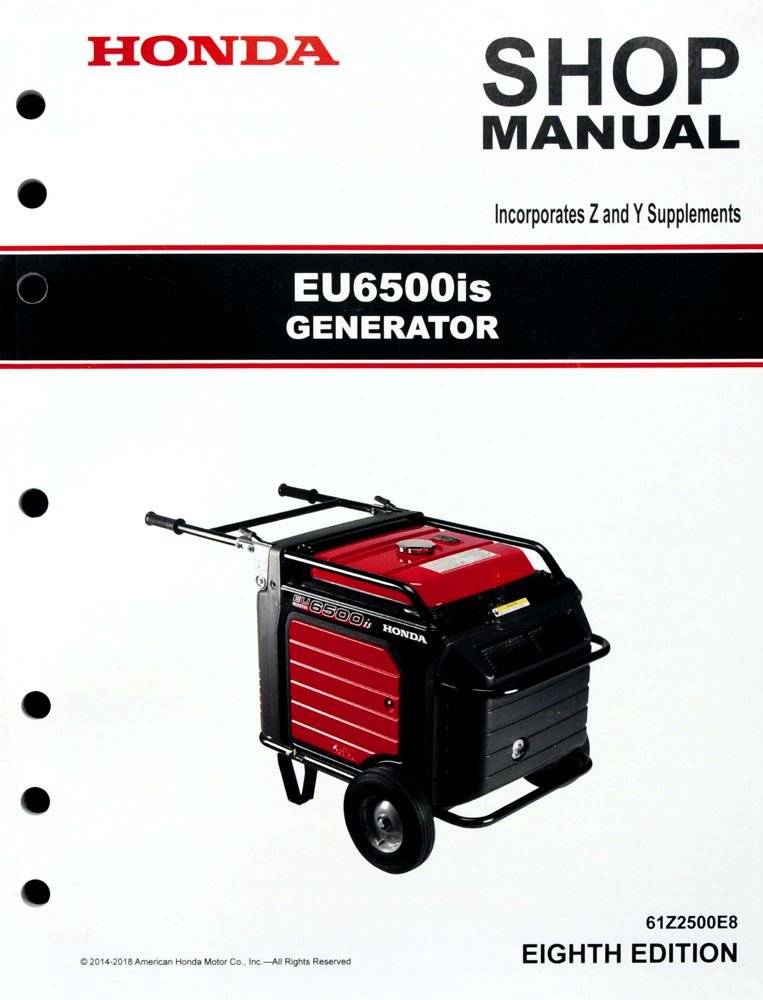
When the lights go out, your Honda generator is more than just a piece of equipment—it's your lifeline, a beacon of reliability designed to keep your world running. But even the most dependable machines require a bit of TLC. Imagine the frustration: the power's out, you reach for your trusted Honda, turn the key, and... nothing. Or worse, it sputters, struggles, and dies. That's where expert Maintenance & Troubleshooting for Honda Generators comes in, empowering you to diagnose common issues, perform routine care, and ensure your generator is always ready to deliver power when you need it most.
This comprehensive guide transforms complex mechanics into clear, actionable steps. We're not just fixing problems; we're building your confidence, one smooth start at a time.
At a Glance: Your Honda Generator Health Checklist
- Fuel First: Always check for fresh, clean fuel and proper levels. Stale fuel is a common culprit!
- Battery Power: Ensure your battery is charged, connected, and corrosion-free.
- Spark Plug: A clean, properly gapped spark plug is vital for ignition.
- Airflow: A dirty air filter chokes the engine; keep it clean.
- Oil Levels: Low oil can cause shutdowns and performance issues—check before every use.
- Overload Awareness: Don't push your generator beyond its rated capacity.
- Listen & Look: Pay attention to unusual noises, vibrations, or error codes.
- Routine Care: Regular maintenance prevents most problems before they start.
- Safety Always: Understand safe operation and storage practices.
- Know Your Limits: Don't hesitate to call a professional for complex issues.
The Heartbeat of Your Honda: Essential Starting Diagnostics
Few things are as frustrating as a generator that refuses to start. Before you panic, let's walk through the most common reasons your Honda might be playing coy.
Fuel Fails: Old, Empty, or Contaminated?
Think of your generator's engine as a finely tuned athlete – it needs the right fuel to perform.
- Is the Tank Full? This might sound obvious, but it's a fundamental check. Ensure your fuel tank has enough gasoline.
- How Fresh is Your Fuel? Gasoline isn't like fine wine; it doesn't get better with age. Fuel, especially with more than 10% ethanol, can degrade in as little as 30 days, attracting water and forming gummy deposits that clog fuel lines and carburetors. If your generator has been sitting for a while, stale or contaminated fuel is likely the problem.
- Action: Drain old fuel, refill with fresh gasoline, and consider using a fuel stabilizer if you plan to store the generator or its fuel for over a month. Store fuel in a clean, sealed container away from direct sunlight.
- Visible Contaminants? Water droplets or sediment in the fuel tank can also prevent starting. A quick visual inspection can sometimes reveal these issues.
Choke Check: Is it in the Right Spot?
The choke enriches the fuel-air mixture, which is crucial for cold starts.
- Cold Start: Make sure the choke is fully engaged ("closed" or "start" position) when starting a cold engine.
- Warm Start: If the engine is already warm, you might not need the choke, or only partially.
- Running: Once the engine fires up and runs smoothly, gradually open the choke ("run" position) to prevent it from fouling the spark plug or running too rich.
Air Apparent: The Clogged Air Filter Culprit
Your engine needs to breathe. A dirty air filter is like trying to run a marathon with a pillow over your face.
- Visual Inspection: Pull out the air filter. Is it caked with dust, debris, or oil?
- Action: If it's merely dusty, you can often clean foam filters with warm, soapy water, rinse thoroughly, let it dry completely, and then lightly re-oil it (if required by your manual). Paper filters are generally replaced. A clogged filter restricts airflow, leading to a rich fuel mixture and poor starting.
Power Up: Battery Health & Connections
For electric start models, the battery is your starting power.
- Charge Level: A battery should ideally read around 12.6 volts when fully charged. If it's below 12 volts, it likely needs charging or replacement. Use a multimeter to check the voltage.
- Connections: Ensure battery cables are tight and securely connected to the terminals. Loose connections hinder current flow.
- Corrosion: White, powdery buildup on the terminals (corrosion) acts as an insulator, preventing a good electrical connection.
- Action: Disconnect the battery (negative first, then positive), then clean terminals and cable clamps with a wire brush and a solution of baking soda and water. Rinse, dry, and reattach, applying a thin coat of dielectric grease to prevent future corrosion.
Spark of Life: Inspecting Your Spark Plug
The spark plug is the igniter, creating the crucial spark that ignites the fuel-air mixture.
- Removal: Carefully remove the spark plug with a spark plug wrench.
- Inspection:
- Condition: Is the tip fouled with black carbon, oil, or fuel? Is it burnt or damaged?
- Gap: Is the gap between the electrodes correct? Refer to your Honda manual for the precise gap specification (usually between 0.028 and 0.031 inches).
- Action:
- Clean: If it's dirty but otherwise good, clean it gently with a wire brush or fine-grit sandpaper.
- Regap: Use a spark plug gapping tool to adjust the gap if needed.
- Replace: If the plug is worn, chipped, or heavily fouled and cleaning doesn't help, replace it with the correct Honda-recommended part.
Smooth Operator: Fixing Inconsistent Power & Engine Hiccups
Once your Honda generator is running, you expect consistent, reliable power. If it's sputtering, surging, or performing erratically, here's how to diagnose the issue.
Don't Overload It: Respecting Your Generator's Capacity
One of the quickest ways to trigger performance issues is by asking your generator to do too much.
- Listen for the Alarm: If your generator emits an overload alarm or warning light, it's telling you it's drawing too much power. This can lead to voltage drops, engine strain, and even damage.
- Action: Immediately reduce the electrical load by unplugging appliances. Reset the circuit breaker (often a button on the generator's control panel). Understand your generator's wattage capacity (starting and running watts) and ensure your connected appliances don't exceed it. For instance, knowing the capabilities of a Honda 7000 Watt Generator Guide helps you plan your power usage effectively.
The Right Vibe: Voltage Selector Settings
Some Honda generators have a voltage selector switch (e.g., 120V vs. 240V).
- Check Position: Ensure this selector is set correctly for the appliances you're powering. An incorrect setting can lead to unstable power output or prevent certain devices from working.
Wire Worries: Loose, Damaged, or Burnt Connections
Electrical integrity is paramount for consistent power.
- Visual Scan: With the generator off and cool, carefully inspect all visible wiring for signs of damage: frayed insulation, burnt spots, or loose connections.
- Tighten: Use appropriate tools to tighten any loose terminals or connections.
- Test for Continuity: If you suspect internal wiring damage, a multimeter can be used to check for continuity, indicating if a circuit is complete.
- Action: Replace any frayed or damaged wires immediately. If you're unsure about diagnosing or repairing complex wiring, it's best to consult a professional.
Oil's Well That Ends Well: The Critical Role of Engine Oil Levels
Engine oil lubricates moving parts, reduces friction, and helps dissipate heat. Low oil is a common culprit for generator woes.
- Automatic Shutdown: Many Honda generators have a low-oil shutdown feature designed to protect the engine from severe damage. If your generator suddenly shuts off, check the oil first.
- Performance Impact: Insufficient oil can also lead to overheating and poor engine performance.
- Action: Check the oil level using the dipstick (ensure the generator is on a level surface). Add the recommended type and amount of oil if it's low.
Spark Again: When a Dirty Plug Spoils the Show
Just like with starting problems, a dirty or improperly gapped spark plug can cause inconsistent running, misfires, or a general lack of power. Revisit the "Spark of Life" section above for inspection and cleaning/replacement steps.
Carburetor & Jets: The Fuel Mixer's Maladies
The carburetor is responsible for mixing the right amount of air and fuel. Clogged jets or a dirty carburetor are very common causes of uneven running, surging, or stalling.
- Symptoms: Surging (engine revs up and down), rough idling, or a lack of power under load.
- Action: This often requires a thorough cleaning. See "Surgical Clean: A Step-by-Step Carburetor Cleaning Guide" below for detailed instructions. Fuel stabilizer is your friend here, especially for preventing these issues during storage.
Sudden Silence: Why Your Generator Shuts Off
If your generator suddenly stops, it's usually for one of these reasons:
- Low Oil: The most frequent cause, activating the low-oil shutdown.
- Out of Fuel: The tank is empty.
- Overload: The circuit breaker tripped.
- Engine Overheating: Less common but possible, usually due to low coolant, blocked cooling fins, or extremely high ambient temperatures.
Fueling Your Confidence: Deep Dive into the Fuel System
The fuel system is the circulatory system of your generator. Any blockages or leaks can severely impact performance.
The Lifelines: Inspecting Fuel Lines for Flaws
Fuel lines transport gasoline from the tank to the carburetor. They can degrade over time.
- Safety First: Turn off the generator and allow it to cool completely. Ensure no open flames or sparks are nearby.
- Locate & Inspect: Find the fuel lines, typically transparent or black rubber hoses, running from the fuel tank to the carburetor.
- Visual Check: Look for:
- Clogs: Visible debris or blockages within transparent lines.
- Cracks/Fraying: Signs of degradation, especially near connection points.
- Kinks/Bends: Obstructions that restrict fuel flow.
- Leaks: Any wet spots or the smell of fuel.
- Cleaning (if applicable): If you spot minor clogs, you might carefully try to clear the lines with a small, soft brush or gentle compressed air (ensure lines are disconnected from the tank/carburetor first).
- Action: Any damaged, cracked, or severely kinked fuel lines must be replaced with genuine Honda parts to ensure safety and proper function. Ensure all connections are tight and secure.
Surgical Clean: A Step-by-Step Carburetor Cleaning Guide
Cleaning the carburetor can seem daunting, but it's a critical skill for generator owners. This process resolves many rough running or starting issues.
- Preparation & Safety:
- Turn off the generator and let it cool.
- Disconnect the spark plug wire to prevent accidental starting.
- Place a drain pan underneath the carburetor to catch any fuel.
- Have your carburetor cleaner spray, a set of small tools (screwdrivers, wrenches), and protective eyewear ready.
- Fuel Shut-Off: Close the fuel valve (if your model has one) or disconnect the fuel line from the carburetor.
- Removal:
- Carefully disconnect any linkages, hoses, or wires attached to the carburetor. Take photos as you go to aid reassembly.
- Unbolt the carburetor from the engine's intake manifold.
- Disassembly (Partial):
- Remove the float bowl (the cup-like chamber at the bottom) by unscrewing the retaining bolt/screws.
- Gently remove the float pin and the float itself, along with the needle valve attached to the float. Be careful not to bend the float arm.
- Locate the main jet and pilot jet (small brass screws with tiny holes, usually inside the main carburetor body). These are the most common points of blockage.
- Cleaning:
- Spray all internal passages, especially the jets, with carburetor cleaner. Be generous. You should see the cleaner exit through other passages, indicating they're clear.
- Use thin wire or a fine-bristled brush (carburetor cleaning kits often include these) to carefully poke through the tiny holes in the jets to ensure they are completely clear. Do NOT enlarge the holes.
- Clean the float bowl, needle valve, and any other removable components.
- Reassembly:
- Reinstall the jets, needle valve, float, and float bowl. Ensure the float operates freely.
- Reattach the carburetor to the engine, reconnect all linkages, hoses, and wires.
- Reconnect the fuel line and open the fuel valve.
- Test: Reconnect the spark plug wire, turn the engine switch on, and attempt to start the generator. Listen for smooth operation.
Listen to Your Engine: Overheating, Noises & Vibrations
Your generator's engine often communicates problems through its senses – heat, sound, and feel. Ignoring these signals can lead to bigger issues.
Keeping Your Cool: Tackling Overheating
An overheated engine can seize or suffer irreversible damage.
- Coolant Level (if applicable): For liquid-cooled generators, check the coolant reservoir. If low, refill with the recommended type and mixture.
- Radiator/Cooling Fins: Inspect the radiator (for liquid-cooled) or the engine's cooling fins (for air-cooled) for dirt, grass, or debris that might be obstructing airflow.
- Action: Gently clean with compressed air or a soft brush.
- Cooling Fan: Verify that the cooling fan is working properly. If it's broken or jammed, it needs repair or replacement.
- Engine Oil Level: Low engine oil can contribute to overheating due to increased friction. Check and refill as needed.
- Overload: Continuously running a generator at or near its maximum capacity in high temperatures can also cause overheating. Reduce the load.
Decoding the Drones: Understanding Unusual Noises
Your generator should produce a consistent hum. Any new rattles, bangs, or whines are a red flag.
- Rattles/Loose Parts:
- Cause: Loose nuts, bolts, or covers.
- Action: With the generator off, visually inspect and tighten all fasteners. Check exhaust system connections and heat shields.
- Bangs/Knocking:
- Cause: Often indicates serious internal engine issues, but can sometimes be poor fuel quality or extremely low oil.
- Action: Check fuel quality and engine oil levels immediately. If the knocking persists, cease operation and seek professional help.
- Whining/High-Pitched Squeal:
- Cause: Could indicate a failing bearing (alternator, engine, cooling fan), a worn belt (if applicable), or a component rubbing.
- Action: Try to localize the source of the noise. If it's a bearing, replacement is usually necessary.
- Air Filter Noise: An improperly fitted or damaged air filter can sometimes cause unusual intake noises. Ensure it's clean and seated correctly.
Steady as She Goes: Quieting Excessive Vibrations
Some vibration is normal, but excessive shaking indicates an imbalance or loose components.
- Stable Surface: Ensure your generator is placed on a flat, solid, and stable surface. Uneven ground can exacerbate vibrations.
- Mounts/Bushings: Check the engine mounts or rubber bushings that isolate the engine from the frame. If they are worn, cracked, or loose, they won't absorb vibrations effectively.
- Action: Tighten loose mounts or replace damaged bushings.
- Engine Imbalance: Less common, but internal engine issues or crankshaft imbalances can cause severe vibrations. This requires expert diagnosis.
Beyond the Basics: Understanding Display Errors
Modern Honda generators often feature digital displays that provide crucial diagnostic information through error codes. Don't ignore them!
Speaking the Code: Interpreting Honda's Error Messages
These codes are your generator's way of telling you precisely what's wrong, often before a major failure occurs.
- Consult Your Manual: Always refer to your specific Honda generator owner's manual for a complete list of error codes and their corresponding troubleshooting steps. Manuals vary by model.
- Common Examples:
E-0: Often indicates an issue with the auto throttle system. This might mean the system isn't engaging or disengaging correctly.E-1: A classic indicator of low engine oil level. The generator has likely shut down to protect itself.E-2: Signals an overload alarm. You're drawing too much power, and the circuit breaker has likely tripped.
The Digital Reset: Clearing Your Control Panel
Sometimes, a temporary glitch can trigger an error code. A simple reset can clear it.
- Power Down: Turn off the generator completely.
- Disconnect Loads: Unplug all appliances and extension cords from the generator.
- Wait: Give the generator a few minutes (e.g., 5-10 minutes) for any residual electrical charge to dissipate and to allow internal components to cool.
- Restart: Turn the generator back on.
If the error persists after a reset and you've addressed the underlying issue (e.g., refilled oil for E-1, reduced load for E-2), then it's time to consider contacting an authorized Honda service center.
Proactive Power: Your Honda Generator Maintenance Schedule
The best troubleshooting is proactive prevention. Regular maintenance isn't just about fixing problems; it's about extending the life of your Honda generator and ensuring peak performance.
The Daily Check-Up: Loose Parts, Leaks, & Damage
Before and after each use, a quick visual inspection can save you headaches.
- Look: Scan the entire generator for any visible damage, cracks, or loose components.
- Feel: Gently wiggle parts to ensure everything is secure.
- Smell: Any lingering smell of gasoline beyond initial startup might indicate a leak.
- Action: Tighten any loose screws or bolts. Address any leaks immediately.
The Lifeblood: Oil Checks & Changes
Engine oil is crucial for lubrication and cooling.
- Before Every Use: Check the engine oil level using the dipstick. Ensure the generator is on a level surface.
- Change Schedule: Refer to your Honda manual for the recommended oil change intervals. This is typically after the first 20 hours (break-in oil change) and then every 50-100 hours of operation, or at least once a year.
- Type: Always use the recommended oil type (e.g., SAE 10W-30) and viscosity for your climate.
Breathing Easy: Air Filter Care
A clean air filter ensures your engine gets enough clean air.
- Regular Inspection: Inspect the air filter regularly, especially if operating in dusty conditions.
- Cleaning/Replacement: Clean foam filters as described earlier. Replace paper filters when dirty or damaged. A good rule of thumb is to check it every 25 hours and clean/replace as needed.
The Igniter: Spark Plug Inspection & Replacement
Your spark plug is a small but mighty component.
- Inspection: Inspect the spark plug every 50-100 hours for wear, correct gap, and fouling (as detailed in "Spark of Life").
- Replacement: Replace the spark plug as per your manual's schedule, typically every 100-300 hours or annually, depending on use.
Shine & Sparkle: General Cleaning Best Practices
Keeping the exterior clean prevents debris from entering vital areas.
- Wipe Down: Use a damp cloth to wipe down the exterior of the generator, removing dirt and grime. Avoid direct water spray on electrical components.
- Fuel Tank: Periodically inspect the inside of the fuel tank for rust or sediment. If found, it may need cleaning or flushing (exercise extreme caution with fuel).
DIY Repairs: Replacing Parts with Confidence
Sometimes, troubleshooting leads to the conclusion that a part needs replacing. Knowing how to do it yourself can save time and money.
Know Your Numbers: Identifying the Right Parts
Precision is key when replacing parts.
- Owner's Manual: Your Honda generator owner's manual is the definitive guide. It contains diagrams and specific part numbers for all major components.
- Model & Serial Number: Have your generator's model and serial number handy when looking up parts, as specifications can vary even within the same series.
The Genuine Article: Sourcing Authentic Honda Parts
Don't compromise on quality for critical components.
- Official Honda Website: Start your search on Honda's official power equipment website.
- Authorized Dealers: Visit or call authorized local hardware stores or power equipment dealers. They can order genuine parts directly from Honda.
- Online Marketplaces: Be cautious. If buying online, ensure the seller is reputable and explicitly states the parts are genuine Honda OEM (Original Equipment Manufacturer).
Prep for Success: Tools & Safety
Preparation makes the job smoother and safer.
- Safety First: Ensure the generator is off, cool, and the spark plug wire is disconnected. Wear appropriate protective gear (gloves, safety glasses).
- Gather Tools: Collect all necessary tools: screwdrivers (Phillips, flathead), wrenches (socket set, open-end), pliers, and any specialized tools indicated in your manual.
- Work Area: Set up a clean, well-lit workspace.
The Swap: Installation Steps
Follow the instructions in your manual meticulously.
- Document: Take photos or make notes before and during disassembly, especially for complex assemblies, to remember connection points and routing.
- Remove Old Part: Carefully remove the faulty part, paying attention to how it was installed and any attached hoses, wires, or fasteners.
- Install New Part: Install the new genuine Honda part, reversing the removal steps. Ensure all connections are secure and tight, but avoid overtightening.
- No Leftovers: Double-check that all screws, bolts, and washers are reinstalled and accounted for.
The Post-Op: Testing Your Work
After installing a new part, a test run is essential.
- Final Check: Before starting, perform a final visual inspection to confirm everything is correctly assembled and tight.
- Start & Observe: Reconnect the spark plug wire and start the generator. Listen carefully for any unusual noises, check for leaks, and observe its performance. If any issues arise, shut it down immediately and re-evaluate.
Safety First, Always: Operating Your Honda Generator Securely
A generator is a powerful tool. Understanding and adhering to safety precautions is non-negotiable for your well-being and the longevity of your machine.
Before You Begin: Manuals & PPE
- Read the Manual: This cannot be stressed enough. Your Honda generator's user manual contains critical safety information specific to your model.
- Protective Gear: Always wear appropriate personal protective equipment (PPE), including work gloves to protect hands from scrapes and heat, and safety glasses to shield your eyes from debris or splashes.
Optimal Placement: Stability & Ventilation
Where you place your generator is crucial for safety.
- Stable Surface: Always operate your generator on a flat, stable, level surface to prevent tipping and ensure proper operation.
- Ventilation: Never operate a generator indoors or in enclosed spaces (garage, shed, basement, etc.). Generators produce carbon monoxide (CO), a colorless, odorless, and deadly gas. Place it at least 20 feet away from your home, with the exhaust pointing away from windows and doors.
Environmental Awareness: Wet Conditions & Exclusion Zones
- Keep it Dry: Never operate your generator in wet conditions (rain, snow, standing water). This creates a severe electrocution risk. If you must use it in damp conditions, ensure it's protected by an open-sided canopy, ensuring proper ventilation.
- Clear Area: Keep children and pets away from the generator during operation, as it gets hot and contains moving parts.
Grounding Rules: Electrical Safety
- Proper Grounding: Ensure your generator is properly grounded as per local electrical codes and your manual's instructions. This protects against electrical shock.
- Extension Cords: Use heavy-duty, outdoor-rated extension cords that are in good condition and have sufficient gauge for the load. Avoid running cords under carpets or through doorways where they can be damaged.
- Never Backfeed: Absolutely never plug your generator directly into a wall outlet of your home (backfeeding). This can electrify utility lines, endangering utility workers, and will bypass your home's main circuit breaker, potentially damaging appliances and creating a fire hazard. Always use a transfer switch installed by a qualified electrician to connect to your home's electrical system.
Smart Storage: Protecting Your Investment
When not in use, store your generator safely.
- Dry & Ventilated: Store it in a dry, well-ventilated area, away from furnaces, water heaters, and any potential ignition sources.
- Fuel Treatment: If storing for more than a month, treat the fuel with a stabilizer or drain the fuel completely to prevent carburetor issues.
- Battery Maintenance: Keep the battery charged during long-term storage to prevent deep discharge and damage.
Emergency Protocol: What to Do When Things Go Wrong
Know how to react in an emergency.
- Immediate Shutdown: If you detect a fuel leak, unusual smoke, excessive noise, or any other alarming condition, turn off the generator immediately.
- Fuel Leaks: If there's a fuel leak, move the generator to a safe, well-ventilated area away from any ignition sources. Avoid creating sparks.
- Fire Safety: Know the location and proper use of a fire extinguisher rated for electrical and fuel fires (Class B/C).
- Emergency Contacts: Have emergency contact numbers (fire department, authorized service center) readily available.
When to Call in the Cavalry: Knowing When to Seek Professional Help
While DIY troubleshooting is empowering, there are times when a professional technician is the safest and most effective solution. Knowing when to call for help can prevent further damage and ensure your safety.
Persistent Problems: When DIY Isn't Enough
You've checked the fuel, spark plug, air filter, and oil. You've followed all the steps in this guide, but your generator still fails to start or runs erratically. If your efforts aren't yielding results, it's time to let an expert take a look.
Electrical Enigmas: Beyond Your Expertise
If your generator runs but fails to produce electricity, or you encounter complex wiring issues, this is often a job for a qualified professional. Messing with generator electrical systems without proper training and tools can be dangerous and lead to severe damage.
Fuel Fiascos: Leaks & Excessive Consumption
Any persistent fuel leak is a serious safety hazard. If you notice fuel leaks that you can't easily identify and fix (e.g., a simple loose hose clamp), or if your generator is consuming fuel at an unusually high rate, a technician needs to inspect the fuel system thoroughly.
Mystery Noises: The Lingering Racket
While you can often identify the source of a rattle, persistent unusual noises like knocking, grinding, or severe whining that you can't resolve might indicate significant internal engine or component wear (e.g., worn-out bearings). Continued operation could lead to catastrophic failure.
Complex Cases: Tools, Knowledge, & Time
Some repairs require specialized tools, advanced diagnostic knowledge, or simply more time than you have. If the repair involves disassembling major engine components, adjusting valve clearances, or dealing with intricate electrical boards, it's often more cost-effective and safer to entrust it to an expert.
Choosing Your Champion: Selecting a Trusted Service Center
When professional help is needed, choose wisely.
- Credentials are Key: Ensure the service center is authorized by Honda. This means their technicians are factory-trained, use genuine Honda parts, and understand the intricacies of your specific generator model.
- Reviews & Reputation: Look for positive customer feedback. Online reviews, word-of-mouth recommendations, and Better Business Bureau ratings can offer insights into their service quality and reliability.
- Compare Quotes: Obtain quotes from a couple of different authorized service centers. While cost shouldn't be the only factor, it helps ensure you're getting a fair price for the repair.
- Warranty on Repairs: Ask if the service center offers a warranty on their repairs (parts and labor). A reputable center will stand behind their work.
Quick Answers: Your Honda Generator FAQs
Here are quick, concise answers to some of the most common questions about Honda generator maintenance and troubleshooting.
Q: How do I manually start my Honda generator?
A: To manually start a pull-cord Honda generator:
- Ensure the fuel valve is ON.
- Set the choke lever to the "closed" or "start" position (for a cold engine).
- Turn the engine switch to the ON position.
- Pull the starter grip lightly until you feel resistance, then pull it briskly and smoothly.
- Once the engine starts and runs steadily, gradually move the choke lever to the "open" or "run" position.
Q: How often should I perform maintenance on my Honda generator?
A: Maintenance frequency depends on usage, but general guidelines are:
- Before Each Use: Check oil level, inspect for loose parts, damage, or leaks.
- Every 50-100 Hours / Annually: Change engine oil, inspect/clean air filter, inspect/clean spark plug.
- Every 100-300 Hours / Annually: Replace spark plug, inspect fuel lines.
- Long-Term Storage: Use fuel stabilizer or drain fuel, maintain battery charge.
Always consult your specific Honda owner's manual for precise maintenance schedules.
Q: What does the overload alarm mean and how do I fix it?
A: The overload alarm indicates that your generator is attempting to draw more power (watts) than its rated capacity.
- Fix: Immediately reduce the electrical load by unplugging some of the devices connected to the generator.
- Reset: Locate and press the circuit breaker reset button on your generator's control panel.
- Prevention: Understand the starting and running wattage requirements of your appliances and never exceed your generator's maximum output.
Keep Your Power Flowing: A Final Word on Generator Health
Your Honda generator is an investment in security and convenience. With a little attention to routine maintenance and a systematic approach to troubleshooting, you can ensure it remains a dependable source of power for years to come. By understanding its needs and responding to its signals, you're not just maintaining a machine; you're safeguarding your peace of mind. So, stay proactive, stay informed, and keep that Honda humming smoothly.